Responsible construction: how Deceuninck Colombia's Bella Sliding and Everest Max systems meet the “Sustainable and Sustained” attribute.
Date: November 28, 2025
Sustainability is not just a decorative feature in modern construction; it is a commitment that must be measurable, verifiable, and sustainable over time. Within this framework, Deceuninck Colombia presents its Bella Sliding and Everest Max systems as part of its line committed to the attribute “Sustainable and Sustained” aligned with the standards of Camacol (Colombian Chamber of Construction) / CCCS (Colombian Council for Sustainable Construction) for materials and the Sostenido platform.
Verification and transparency: the value of the seal
PVC offers design flexibility, energy efficiency, and remarkable noise insulation. Unlike wood, it does not require painting or special treatments, maintaining its appearance intact over time. It also incorporates modern locking systems that increase security, an essential improvement over obsolete mechanisms in older buildings.
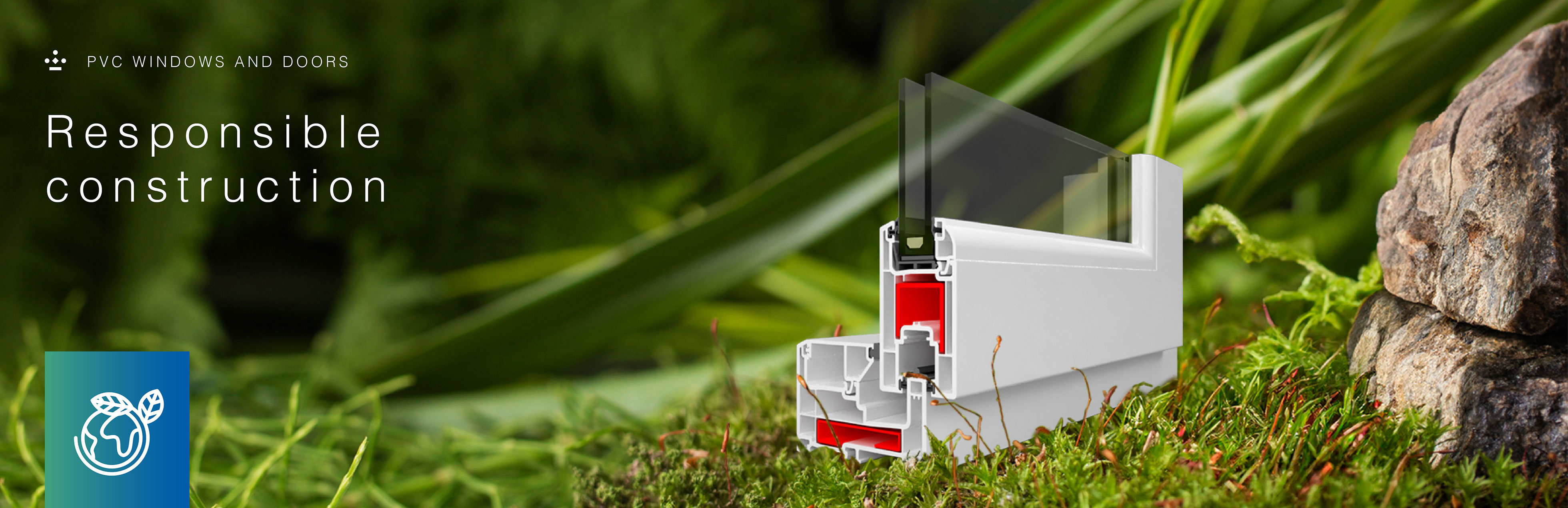
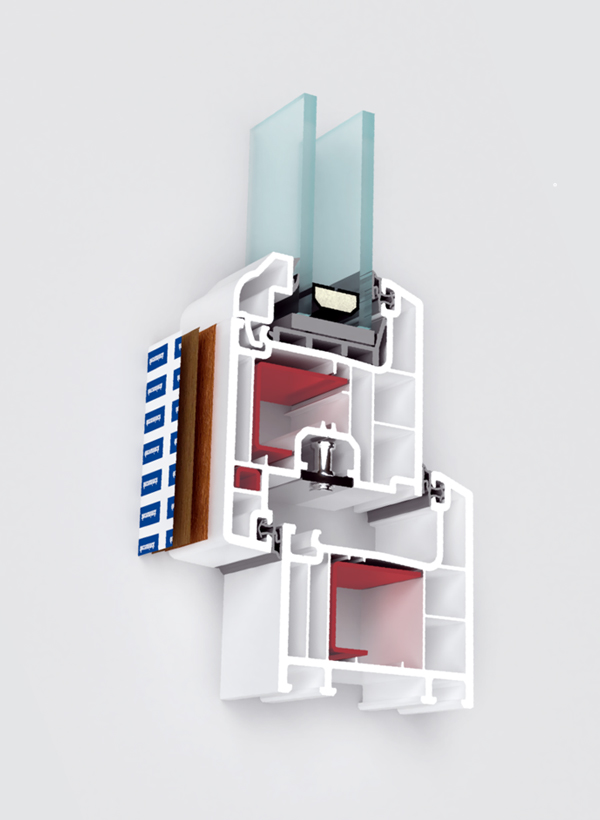
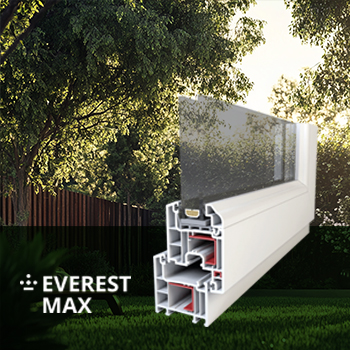
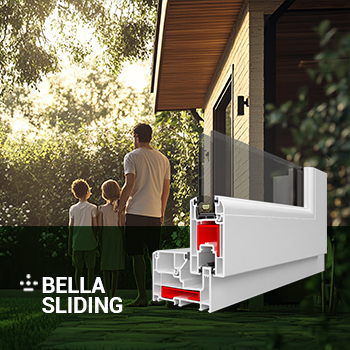
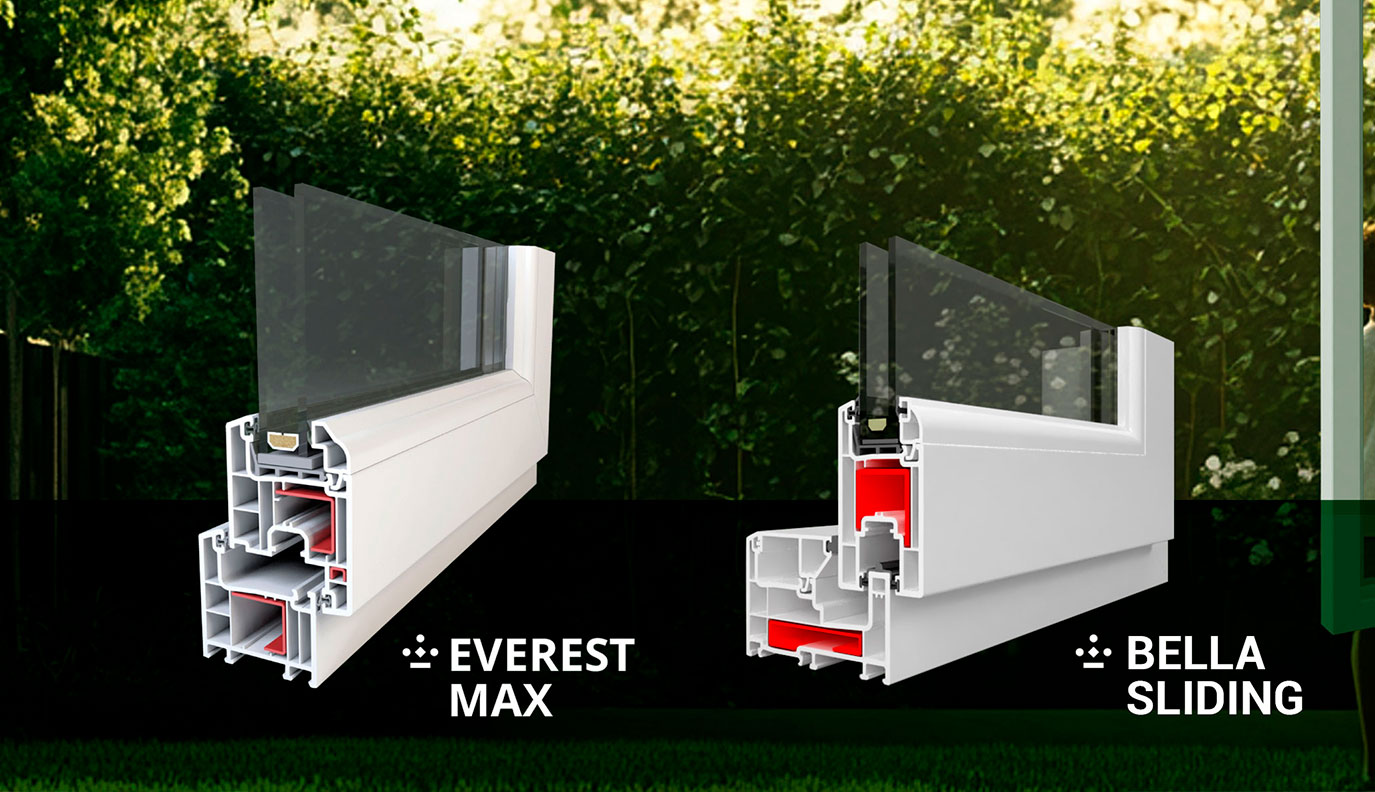
Thanks to their multi-chamber design, PVC profiles improve thermal and acoustic insulation, reduce energy loss, and provide structural stability with internal reinforcements. Their resistance to moisture and weather changes prevents deformation and eliminates the need for frequent maintenance, ensuring an efficient and durable system.
This means that, in order for a product to claim the sustainable label, it must:
- Have verified sustainability attributes (such as use of recycled materials, lower carbon footprint, durability, energy efficiency) CCCS+1
- Be integrated into decision-making tools for projects seeking to reduce emissions, promote the circular economy, etc.
“Sustainable”: characteristics for the present
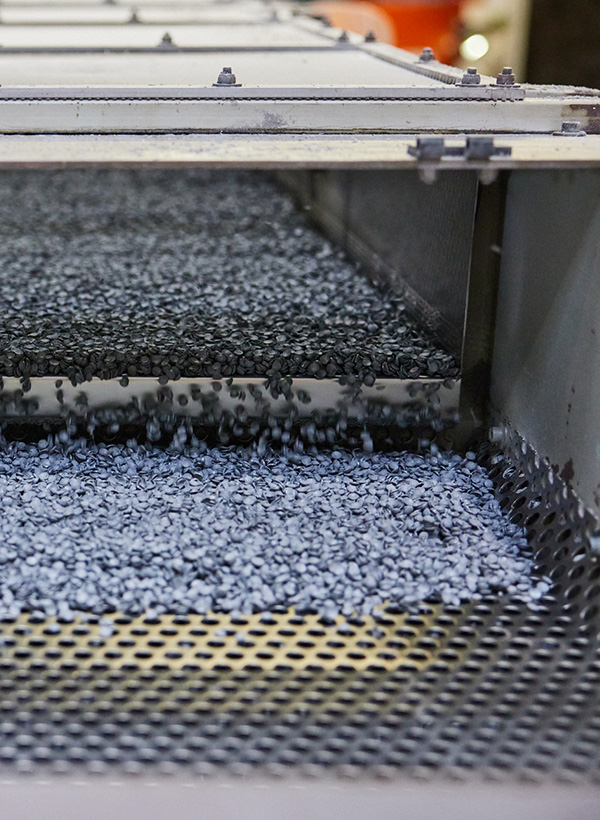
Deceuninck's Bella Sliding and Everest Max systems are manufactured using recyclable PVC profiles and designed to provide thermal and acoustic energy efficiency.
Within the framework of the CCCS / Sostenido label, these would be relevant attributes:
- Use of recyclable materials or materials with post-life recycling → contributes to the circular economy.
- Thermal/acoustic insulation that reduces energy consumption → lower operational carbon footprint.
- Durable materials and reduced maintenance → less waste generation throughout the life cycle.
The combination of these characteristics allows these systems to aspire to a verified sustainability attribute, which in turn makes it easier for construction projects to consider these materials under frameworks such as LEED, EDGE, and CASA Colombia.
A sustainable material is not enough: it must remain sustainable. In this sense, “sustainable” refers to durability, low maintenance, and stable performance throughout its useful life.
For Bella Sliding and Everest Max, this concept translates into:
- Resistance to adverse weather conditions (UV, humidity, temperature changes)
- Minimal maintenance, reducing the need for replacement or repainting
- Long-lasting performance (insulation, airtightness) that maintains energy efficiency, which in turn reduces long-term impacts
By integrating the Bella Sliding and Everest Max systems into the “Sustainable and Sostenido” attribute, Deceuninck Colombia demonstrates that it is aligned with the most demanding sustainability standards in the construction sector. Not only does it offer high-performance products, but those products are designed and verifiable as the CCCS Sustainability Attribute Verification System and the Sostenido platform.
Related Articles
Instagram A Year of Sustainability
We continue to move forward, innovate, and make sustainability our path.
 Regions